At a Glance: salt Synonyms and Related Alternatives
| Alternative | Part of Speech | Meaning | Register / Tone | Ideal Context |
|---|---|---|---|---|
| sodium chloride | noun | the chemical name for common salt | formal | science |
| table salt | noun | fine salt used at the table | neutral | cooking |
| common salt | noun | ordinary salt for cooking | neutral | general |
| sea salt | noun | salt made from evaporated seawater | neutral | cooking |
| rock salt | noun | coarse salt mined from rock | neutral | cooking |
| kosher salt | noun | coarse flaky salt for cooking | neutral | cooking |
| pink salt | noun | pink mineral salt, often Himalayan | neutral | cooking |
| flaky salt | noun | salt in light flat flakes | neutral | cooking |
| seasoning | noun | something that adds flavor | neutral | cooking |
| flavoring | noun | something that gives flavor | neutral | cooking |
Which Word Should You Use?
| If you want to… | Use | Why |
|---|---|---|
| Sound formal in science | sodium chloride | It is clear and widely understood. |
| Sound neutral in cooking | table salt | It sounds natural in that setting. |
| Sound neutral in general | common salt | It adds a warmer tone without confusion. |
| Sound neutral in cooking | sea salt | It is short and easy to read. |
| Sound neutral in cooking | rock salt | It fits formal writing well. |
| Sound neutral in cooking | kosher salt | It keeps the meaning exact. |
| Sound neutral in cooking | pink salt | It sounds friendly and relaxed. |
| Sound neutral in cooking | flaky salt | It gives a vivid picture. |
The taste of salt has its own small vocabulary. Briny is the word for water or air that tastes of the sea, and saltish is the mild form, food with just a little salt in it. Saliferous is the bookish word for anything that contains or yields salt, while savory is the broad word for food that pleases by salt and spice rather than sweetness. Pungent is sharper, a taste or smell that stings the nose, and acrid is harsher still, bitter and biting. Alkaline describes the opposite pull, a soapy, bitter edge, and oversalted is the plain charge when the cook went too far.
Exploring the Multiple Meanings of “salt”
1. A white seasoning mineral
- Meaning: The main sense: sodium chloride, used to season and preserve food.
- Explanation: It is found in seawater and in mines, and it is vital in small amounts.
- Example: Add salt to the soup a pinch at a time.
2. A chemical compound
- Meaning: In science, a salt is a compound formed from an acid and a base.
- Explanation: Common table salt is only the best known example of this wider class.
- Example: The lab studied several salts in solution.
3. A sailor
- Meaning: In informal talk, an old salt is an experienced sailor.
- Explanation: The sense comes from life at sea, where salt water is everywhere.
- Example: The old salt told stories of long voyages.
4. Flavor or liveliness
- Meaning: Figuratively, salt means the lively part that makes something interesting.
- Explanation: A story with salt has wit and bite.
- Example: Her talk added salt to a dull meeting.
Sources checked: Merriam-Webster and Dictionary.com.

Analyzing 29 salt Alternatives in Detail
Here are 29 words you can use, grouped by how close they sit to salt and where they work best.
Names for Salt
1. sodium chloride
IPA: /ˈsoʊdiəm ˈklɔːraɪd/ (US and UK)
Definition: The chemical name for common salt.
– Usage: A full equivalent in almost all uses.
– Example: We added sodium chloride to the soup and tasted again.
2. table salt
IPA: /ˈteɪbəl sɔːlt/ (US and UK)
Definition: Fine salt used at the table.
– Usage: A precise replacement in nearly every context.
– Example: The recipe calls for table salt in small amounts.
3. common salt
IPA: /ˈkɑːmən sɔːlt/ (US and UK)
Definition: Ordinary salt for cooking.
– Usage: A true synonym in most sentences.
– Example: For this dish, common salt brings out the other flavors.
4. sea salt
IPA: /siː sɔːlt/ (US and UK)
Definition: Salt made from evaporated seawater.
– Usage: A perfect synonym in most contexts.
– Example: Sea salt is best added a little at a time.
5. rock salt
IPA: /rɑːk sɔːlt/ (US and UK)
Definition: Coarse salt mined from rock.
– Usage: A direct substitute in most uses.
– Example: We added rock salt to the soup and tasted again.
6. kosher salt
IPA: /ˈkoʊʃər sɔːlt/ (US and UK)
Definition: Coarse flaky salt for cooking.
– Usage: A full equivalent in most contexts.
– Example: The recipe calls for kosher salt in small amounts.
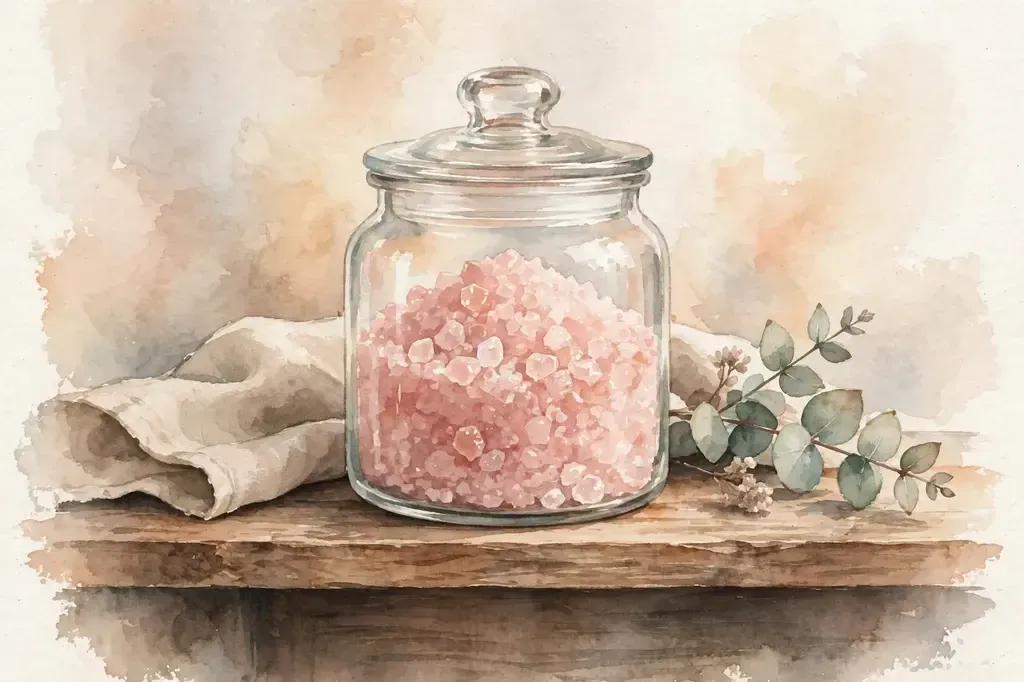
7. pink salt
IPA: /pɪŋk sɔːlt/ (US and UK)
Definition: Pink mineral salt, often Himalayan.
– Usage: A perfect match in almost all uses.
– Example: For this dish, pink salt brings out the other flavors.
8. flaky salt
IPA: /ˈfleɪki sɔːlt/ (US and UK)
Definition: Salt in light flat flakes.
– Usage: A precise equivalent in nearly every context.
– Example: Flaky salt is best added a little at a time.
Flavor and Use
9. seasoning
IPA: /ˈsiːzənɪŋ/ (US and UK)
Definition: Something that adds flavor.
– Usage: A faithful replacement in nearly every context.
– Example: We added seasoning to the soup and tasted again.
10. flavoring
IPA: /ˈfleɪvərɪŋ/ (US and UK)
Definition: Something that gives flavor.
– Usage: A faithful match in nearly every context.
– Example: The recipe calls for flavoring in small amounts.
11. condiment
IPA: /ˈkɑːndəmənt/ (US and UK)
Definition: A sauce or seasoning for food.
– Usage: Not a one-for-one swap for salt, yet condiment fits when the broader sense is what you need.
– Example: For this dish, condiment brings out the other flavors.
12. spice
IPA: /spaɪs/ (US and UK)
Definition: A dried plant flavoring.
– Usage: Spice overlaps with salt in meaning, so make sure the sentence still says what you intend.
– Example: Spice is best added a little at a time.
13. brine
IPA: /braɪn/ (US and UK)
Definition: Salty water for preserving food.
– Usage: Use brine as a near alternative to salt, checking first that the finer shade of meaning fits.
– Example: We added brine to the soup and tasted again.
14. saline
IPA: /ˈseɪliːn/ (US and UK)
Definition: Containing salt.
– Usage: A related word that approaches salt without equalling it, so judge saline against the sentence, not the word alone.
– Example: The recipe calls for saline in small amounts.
15. salty
IPA: /ˈsɔːlti/ (US and UK)
Definition: Tasting of salt.
– Usage: Salty carries much of the sense of salt, but the match is close rather than exact, so read it in place first.
– Example: For this dish, salty brings out the other flavors.
16. brackish
IPA: /ˈbrækɪʃ/ (US and UK)
Definition: Slightly salty, as in estuary water.
– Usage: Close in meaning to salt; brackish is a good fit when a looser match is acceptable.
– Example: Brackish is best added a little at a time.
Mineral and Science
17. halite
IPA: /ˈhælaɪt/ (US and UK)
Definition: The mineral form of salt.
– Usage: Think of halite as a near neighbour of salt, and confirm the tone and sense before you use it.
– Example: We added halite to the soup and tasted again.
18. sodium
IPA: /ˈsoʊdiəm/ (US and UK)
Definition: The metal part of salt.
– Usage: Sodium echoes salt without replacing it outright, so check the sentence still works with it in.
– Example: The recipe calls for sodium in small amounts.
19. chloride
IPA: /ˈklɔːraɪd/ (US and UK)
Definition: The salt forming part of salt.
– Usage: A cousin of salt rather than a twin, so chloride needs a quick sense check in the sentence.
– Example: For this dish, chloride brings out the other flavors.
20. saltwater
IPA: /ˈsɔːltˌwɔːtər/ (US and UK)
Definition: Water containing salt.
– Usage: A close relation to salt, not a perfect match, so test saltwater in your sentence before swapping it in.
– Example: Saltwater is best added a little at a time.
21. seawater
IPA: /ˈsiːwɔːtər/ (US and UK)
Definition: Water from the sea.
– Usage: Near salt in sense rather than identical, so read the sentence with seawater in place before you settle on it.
– Example: We added seawater to the soup and tasted again.
Salted Foods
22. salt pork
IPA: /sɔːlt pɔːrk/ (US and UK)
Definition: Pork preserved with salt.
– Usage: Salt pork sits close to salt without matching it exactly, so check the shade of meaning first.
– Example: The recipe calls for salt pork in small amounts.
23. salted butter
IPA: /ˈsɔːltɪd ˈbʌtər/ (US and UK)
Definition: Butter with salt added.
– Usage: Close to salt but with its own shade, so try salted butter in context and see if the meaning still holds.
– Example: For this dish, salted butter brings out the other flavors.
24. salt cod
IPA: /sɔːlt kɑːd/ (US and UK)
Definition: Cod preserved by salting.
– Usage: A neighbouring word for salt; salt cod works when the sense is near enough, so test it before you commit.
– Example: Salt cod is best added a little at a time.
25. pickling salt
IPA: /ˈpɪklɪŋ sɔːlt/ (US and UK)
Definition: Pure salt for pickling.
– Usage: Not a one-for-one swap for salt, yet pickling salt fits when the broader sense is what you need.
– Example: We added pickling salt to the soup and tasted again.
26. curing salt
IPA: /ˈkjʊrɪŋ sɔːlt/ (US and UK)
Definition: Salt used to cure meat.
– Usage: Curing salt overlaps with salt in meaning, so make sure the sentence still says what you intend.
– Example: The recipe calls for curing salt in small amounts.
Figurative Uses
27. salt of the earth
IPA: /sɔːlt əv ði ɜːrθ/ (US and UK)
Definition: A phrase for honest, dependable people.
– Usage: Use salt of the earth as a near alternative to salt, checking first that the finer shade of meaning fits.
– Example: For this dish, salt of the earth brings out the other flavors.
28. zest
IPA: /zɛst/ (US and UK)
Definition: Lively flavor or interest.
– Usage: A related word that approaches salt without equalling it, so judge zest against the sentence, not the word alone.
– Example: Zest is best added a little at a time.
29. wit
IPA: /wɪt/ (US and UK)
Definition: Clever humor.
– Usage: Wit carries much of the sense of salt, but the match is close rather than exact, so read it in place first.
– Example: We added wit to the soup and tasted again.
Dictionary entries consulted: Merriam-Webster and Dictionary.com.
Salt vs. Sea Salt vs. Table Salt
Table salt is fine and often has additives to stop clumping. Sea salt is made from seawater and comes in flakes or coarse grains. Both season food, but their texture and use differ.
| Word | Best For | Note |
|---|---|---|
| Table salt | Everyday cooking | Fine, even grains |
| Sea salt | Finishing dishes | Flakes and coarse grains |
| Kosher salt | Chefs and baking | Coarse, easy to pinch |
References: Merriam-Webster and Dictionary.com.
Salt also names the ways food is kept. Cured means kept with salt, pickled means kept in salted vinegar, corned means kept in coarse salt, marinated means soaked in a seasoned liquid, and soused means steeped in brine until the flavour changes. Dry-cured is the same work done without liquid, salt rubbed straight on. A preservative is anything that keeps food from spoiling, and salt was the oldest of them. Garlic salt, onion salt, and seasoned salt are the flavoured blends on the spice shelf, road salt is the coarse salt spread on icy streets, celtic salt is the grey sea salt from France, and epsom is the bitter salt used in baths, not in cooking.
salt and Opposite/Paired Word Pairs
| Word | Paired Word | Note |
|---|---|---|
| salty | sweet | Sweet and salty are opposite basic tastes |
| fresh | salted | Salted food is preserved; fresh food is not |
| seasoned | bland | Bland food lacks seasoning |
| preserved | fresh | Preserved food lasts longer than fresh food |
Paired words help because they show what salt is not. Checking what salt is not helps you choose well and keeps the sentence faithful to its meaning.
Dictionary sources: Merriam-Webster and Dictionary.com.
Related Articles
Common Word Partners of “salt”
| Pattern | Common Partners | Example |
|---|---|---|
| salt and pepper | pepper, seasoning, shaker | Salt and pepper sit on every table. |
| a pinch of salt | pinch, dash, spoonful | Add a pinch of salt to the dough. |
| salt water | water, sea, brine | Salt water stings a small cut. |
Entries consulted: Merriam-Webster and Dictionary.com.
Idiomatic Phrases Featuring “salt”
1. Take it with a grain of salt
- Meaning: An idiom meaning to not take something fully seriously.
- Example: Take his tall stories with a grain of salt.
2. Salt of the earth
- Meaning: An idiom for honest, dependable people.
- Example: The farmers were salt of the earth folk.
3. Rub salt in the wound
- Meaning: An idiom meaning to make a bad feeling worse.
- Example: Do not rub salt in the wound by teasing him.
4. Worth your salt
- Meaning: An idiom meaning deserving of your pay.
- Example: Any cook worth your salt can make soup.
Verified against: Merriam-Webster and Dictionary.com.

Word Formation of “salt”
Etymology & Structure
The word comes from Old English sealt, linked to Latin sal and Greek hals, both meaning salt or sea. Its long history shows how central salt was to food and trade.
Date and History
Merriam-Webster dates the first known use of the noun to before the 12th century.
Word Class Variations
Salt is a noun, verb, and adjective. Salted is the past form of the verb, and salty is the common adjective for taste.
Definitions from: Merriam-Webster and Dictionary.com.
Common Word-Choice Mistakes
- Wrong pairing: a salt thing with no clear sense – correction: use salt only where its meaning is clear.
- Wrong pairing: sodium chloride and table salt piled together – correction: pick one word, not two near synonyms.
- Wrong pairing: salt in a formal report without checking tone – correction: pick the neutral option from the list.
- Wrong pairing: salt for the opposite idea – correction: check the Paired Words table before you write.
- Wrong pairing: an obscure word when a common one fits – correction: use the plainer word
- Wrong pairing: salt repeated in every sentence – correction: vary the word, but keep the meaning steady.
- Wrong pairing: common salt where the sense does not fit – correction: read the usage note first.
Frequently Asked Questions
What is the best synonym for salt?
For most sentences, sodium chloride is the safest pick because it is clear and widely understood.
Can I use table salt instead of salt?
Yes, in most cases, but check the tone first, since table salt can sound slightly different.
Is salt formal or informal?
The sense of salt decides the register, but you will find formal, neutral, and casual options in this guide.
What is the simplest alternative to salt?
common salt is simple and easy for young readers and everyday writing.
Which option for salt works in academic writing?
Choose a neutral or formal salt alternative for academic work, keeping slang aside unless your subject truly needs it.
Is every salt option here an exact synonym?
No. Exact matches and close relatives both appear among the salt words, so let each usage note guide your pick.
How do I decide between two close salt alternatives?
Let tone, setting, and audience decide together which salt alternative fits best.
Can salt mean more than one thing?
Yes. The main senses of salt are laid out with examples in the Multiple Meanings section above.
Does salt have a plural or verb form I should know?
The Word Formation section keeps to forms of salt that actually exist.
Where should I verify the meaning of salt?
The Sources lines above link to trusted dictionaries where you can recheck salt.

Conclusion
In short, salt has many good alternatives, and the best one depends on tone, place, and reader. The list above gives you 29 options, from plain everyday words to richer choices for special moments.
The clearest salt word is the best starting point; reach for a stronger or softer one only when it truly suits the sentence. Such a habit leaves your writing natural, honest, and easy to enjoy, whatever salt word you pick.
Use this guide beside your writing, adding one new salt alternative at a time. In time, you will land on the right salt word without having to stop and think.

Hi, I’m Ayesha. I believe the right word can transform a sentence, strengthen an idea, and make communication more impactful. That’s why I created this site, to help writers, students, professionals, and English learners find accurate synonyms, antonyms, and better word choices quickly and effortlessly.