
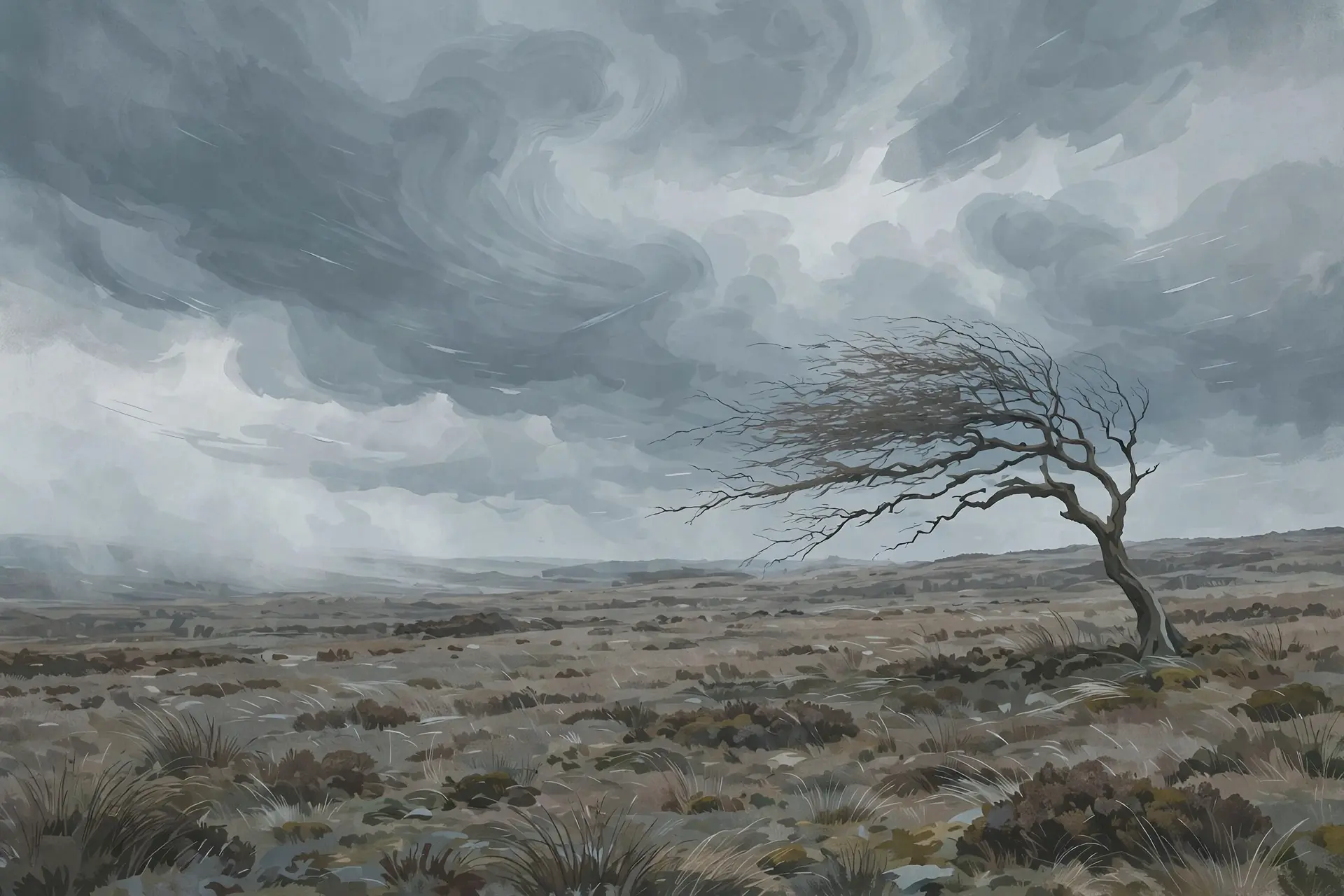
At a Glance: bleak Synonyms and Related Alternatives
The nearest swaps are desolate (empty and lifeless), dreary (dull and depressing), dismal (gloomy and miserable), grim (harsh and forbidding), gloomy (dark and sad), stark (bare and severe), barren (unable to produce life), hopeless (offering no hope), cheerless (without warmth or joy), and somber (dark and serious).
Which Word Should You Use?
| If you want to… | Use | Why |
|---|---|---|
| Describe an empty landscape | desolate / barren | Both mean lifeless; desolate adds loneliness. |
| Describe depressing weather | dreary / dismal | Everyday words for gray, miserable days. |
| Describe a hopeless future | hopeless / unpromising | Direct words for outlook, not scenery. |
| Sound literary | stark / somber | Spare, serious tones for writing. |
| Describe a forbidding place | grim / forbidding | Implies something harsh or threatening. |
| Describe lack of comfort | cheerless / comfortless | About warmth and welcome missing. |
| Describe dim light or mood | gloomy / murky | Work for skies and for spirits. |
| Add intensity | wretched / harsh | Stronger, more emotional choices. |
Exploring the Multiple Meanings of “bleak”
1. Exposed and Barren (Landscape)
- Meaning: (Of land) bare, windswept, and lifeless.
- Explanation: The original sense: a bleak moor, bleak hillsides.
- Example: The bleak plateau stretched for miles without a tree.
2. Depressing and Gloomy (Mood/Weather)
- Meaning: Cold, miserable, and cheerless.
- Explanation: Bleak weather, a bleak room. Gray and unwelcoming.
- Example: They arrived on a bleak November afternoon.
3. Hopeless (Outlook)
- Meaning: Offering little hope of improvement.
- Explanation: Bleak prospects, a bleak future. The figurative extension.
- Example: The job market looked bleak for new graduates.
4. Pale or Wan (Archaic)
- Meaning: Pale in color, lacking warmth.
- Explanation: The oldest sense, from Old Norse, now rare. Survives in poetry.
- Example: Her bleak face told of sleepless nights. (literary)
Sources: Merriam-Webster, Dictionary.com
Analyzing 28 bleak Alternatives in Detail
Some are direct synonyms; others are context-specific related alternatives, and each usage note says which.
Landscape and Weather
1. desolate
IPA: /ˈdɛsələt/ (US and UK)
Definition: Empty, lifeless, and dismal.
- Usage: A near-synonym for the landscape sense. Adds a feeling of abandonment.
- Example: The desolate beach was empty even in summer.
2. dreary
IPA: /ˈdrɪri/ (US and UK)
Definition: Dull, bleak, and lifeless; depressing.
- Usage: The closest everyday synonym. Works for weather, places, and routines.
- Example: Another dreary Monday of rain and gray skies.
3. barren
IPA: /ˈbærən/ (US and UK)
Definition: Unable to produce plants or crops; empty.
- Usage: A near-synonym for the land sense. Focuses on infertility, not mood.
- Example: Nothing grew in the barren soil.
4. windswept
IPA: /ˈwɪndswɛpt/ (US and UK)
Definition: Exposed to strong winds.
- Usage: A related alternative. Bleak hills are often windswept, but wind alone is not bleakness.
- Example: They picnicked on the windswept cliffs.
5. stark
IPA: /stɑːrk/ (US and UK)
Definition: Bare, severe, and without decoration.
- Usage: A near-synonym with a severe edge. Stark landscapes, stark warnings.
- Example: The stark mountains rose against a white sky.
6. exposed
IPA: /ɪkˈspoʊzd/ (US and UK)
Definition: Open to wind and weather, without shelter.
- Usage: A related alternative. Exposure is one ingredient of bleakness.
- Example: The cottage stood exposed on the headland.
7. empty
IPA: /ˈɛmpti/ (US and UK)
Definition: Containing nothing; uninhabited.
- Usage: A plain related alternative. Empty is neutral; bleak adds the cold mood.
- Example: The empty streets felt eerie at dawn.
8. inhospitable
IPA: /ɪnˈhɑːspɪtəbəl/ (US and UK)
Definition: (Of an environment) harsh and difficult to live in.
- Usage: A formal related alternative. Inhospitable terrain, inhospitable climate.
- Example: The desert’s inhospitable heat defeated the travelers.
9. lifeless
IPA: /ˈlaɪfləs/ (US and UK)
Definition: Dead or without living things; dull.
- Usage: A related alternative. Lifeless describes absence of life; bleak adds the chill.
- Example: The lifeless office needed plants and color.
Mood and Atmosphere
10. dismal
IPA: /ˈdɪzməl/ (US and UK)
Definition: Depressing and dreary.
- Usage: A close synonym for the mood sense. Dismal weather, dismal news.
- Example: The dismal forecast ruined their weekend plans.
11. grim
IPA: /ɡrɪm/ (US and UK)
Definition: Forbidding and harsh; without hope.
- Usage: A strong synonym. Grimmer than bleak: it hints at threat.
- Example: The grim fortress overlooked the valley.
12. gloomy
IPA: /ˈɡluːmi/ (US and UK)
Definition: Dark and depressing.
- Usage: A near-synonym for mood and weather. Gloomy skies, gloomy thoughts.
- Example: The gloomy hallway needed better lighting.
13. cheerless
IPA: /ˈtʃɪrləs/ (US and UK)
Definition: Without warmth, comfort, or joy.
- Usage: A near-synonym. Cheerless rooms, cheerless welcomes.
- Example: The cheerless waiting room had plastic chairs.
14. somber
IPA: /ˈsɑːmbər/ (US and UK)
Definition: Dark and serious in mood.
- Usage: A formal related alternative. Somber is grave; bleak is cold. Spelled sombre in British English.
- Example: The somber music suited the memorial.
15. depressing
IPA: /dɪˈprɛsɪŋ/ (US and UK)
Definition: Causing sadness or low spirits.
- Usage: A near-synonym for the mood sense. Plain and common.
- Example: The abandoned mall was a depressing sight.
16. dark
IPA: /dɑːrk/ (US and UK)
Definition: Without light; gloomy in mood.
- Usage: A related alternative. Dark covers light and mood; bleak adds cold hopelessness.
- Example: Dark clouds gathered over the town.
17. murky
IPA: /ˈmɜːrki/ (US and UK)
Definition: Dark and gloomy; unclear.
- Usage: A related alternative. Murky water, murky skies, murky motives.
- Example: Murky fog swallowed the harbor.
18. dim
IPA: /dɪm/ (US and UK)
Definition: Not bright; faint.
- Usage: A related alternative for light and, figuratively, prospects (“dim hopes”).
- Example: A dim lamp glowed in the corner.
19. comfortless
IPA: /ˈkʌmfərtləs/ (US and UK)
Definition: Without comfort or warmth.
- Usage: A near-synonym, slightly old-fashioned. Comfortless rooms and journeys.
- Example: They spent a comfortless night at the station.
20. joyless
IPA: /ˈdʒɔɪləs/ (US and UK)
Definition: Without joy.
- Usage: A related alternative. Joyless is about missing happiness; bleak about missing hope and warmth.
- Example: The joyless routine wore him down.
Outlook and Prospects
21. hopeless
IPA: /ˈhoʊpləs/ (US and UK)
Definition: Feeling or causing despair; offering no hope.
- Usage: A direct synonym for the outlook sense. “Bleak prospects” means hopeless ones.
- Example: The situation seemed hopeless until help arrived.
22. unpromising
IPA: /ʌnˈprɑːmɪsɪŋ/ (US and UK)
Definition: Not likely to succeed or improve.
- Usage: A near-synonym for forecasts. Milder than hopeless.
- Example: The experiment had an unpromising start.
23. discouraging
IPA: /dɪˈskɜːrɪdʒɪŋ/ (US and UK)
Definition: Causing loss of confidence or hope.
- Usage: A related alternative. Discouraging results dampen spirits without ending hope.
- Example: Early sales figures were discouraging.
24. forbidding
IPA: /fərˈbɪdɪŋ/ (US and UK)
Definition: Unfriendly and threatening in appearance.
- Usage: A related alternative. Forbidding cliffs, a forbidding stare. Threat, not just gloom.
- Example: The forbidding gates stayed shut.
25. austere
IPA: /ɔːˈstɪr/ (US and UK)
Definition: Severe and without comfort or decoration.
- Usage: A formal related alternative. Austere beauty, austere budgets.
- Example: The monastery’s austere halls impressed visitors.
Related Intensity
26. cold
IPA: /koʊld/ (US and UK)
Definition: Low in temperature; unfriendly in manner.
- Usage: A related alternative. Bleak weather is cold, but cold alone is just temperature.
- Example: A cold wind swept across the platform.
27. harsh
IPA: /hɑːrʃ/ (US and UK)
Definition: Severe, cruel, or difficult to bear.
- Usage: A related alternative. Harsh winters, harsh criticism. Severity without the emptiness of bleak.
- Example: The harsh winter killed the young trees.
28. wretched
IPA: /ˈrɛtʃɪd/ (US and UK)
Definition: Miserable and unfortunate.
- Usage: A stronger related alternative. Wretched adds pity and suffering.
- Example: The refugees lived in wretched conditions.
Sources: Merriam-Webster, Dictionary.com, Etymonline
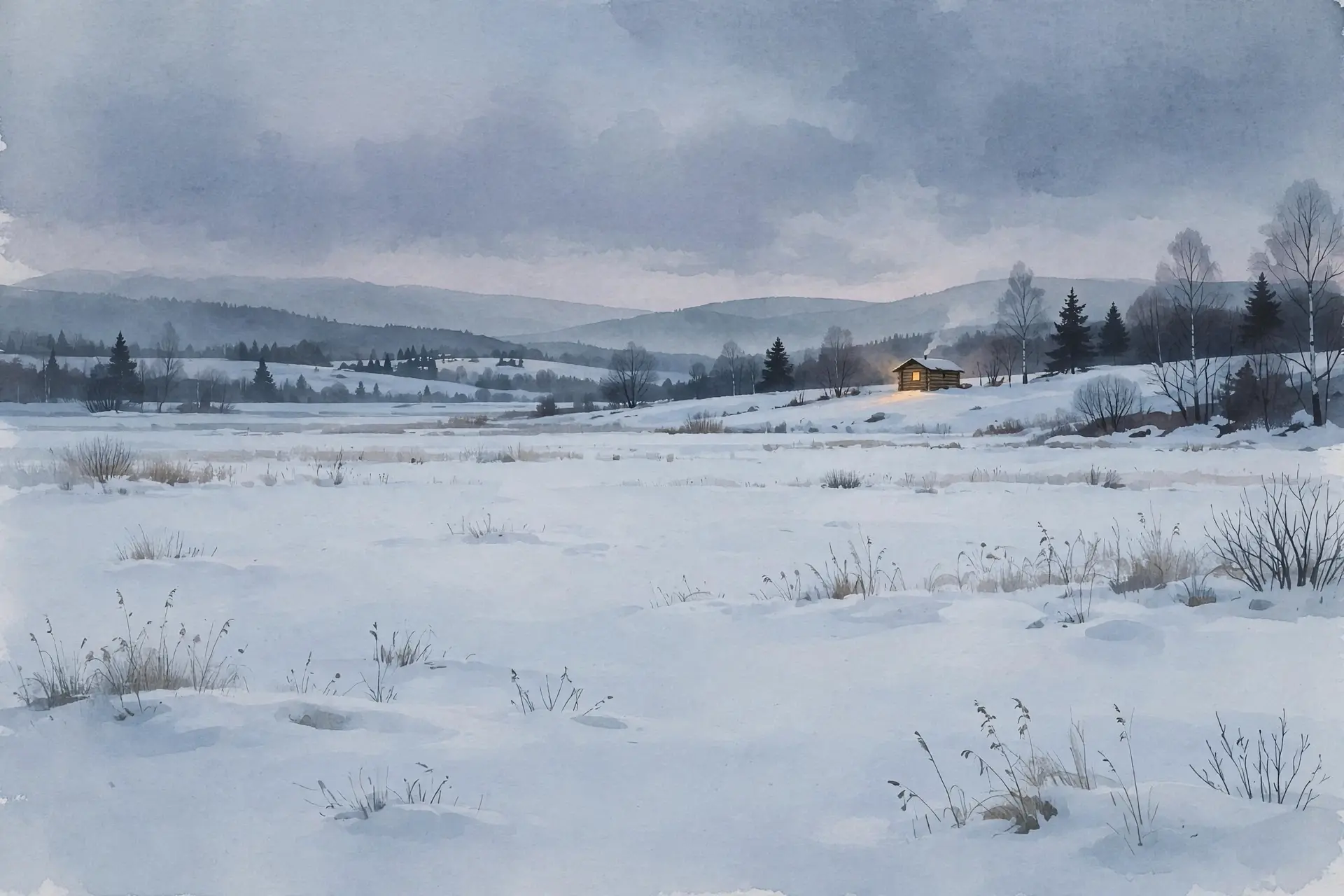
Landscape Bleak vs. Outlook Bleak
The word’s two lives need different words.
| Sense | Best words | Example |
|---|---|---|
| Barren land | desolate, barren, stark, windswept | “Desolate moors.” |
| Gloomy mood/weather | dreary, dismal, gloomy, cheerless | “Dreary November rain.” |
| Hopeless prospects | hopeless, unpromising, discouraging | “Unpromising results.” |
| Severe tone | grim, austere, harsh, forbidding | “Grim news.” |
Choose the shelf before you choose the word, and the description will ring true.
Sources: Merriam-Webster, Dictionary.com
bleak and Opposite/Paired Word Pairs
| Word | Paired Word | Note |
|---|---|---|
| bleak | lush | For landscapes: barren versus fertile. |
| bleak | cheerful | For moods: gloomy versus bright. |
| bleak | promising | For outlooks: hopeless versus hopeful. |
| desolate | thriving | Empty versus flourishing. |
| gloomy | sunny | Weather and mood opposites. |
Lush, cheerful, and promising each oppose one sense of bleak. There is no single opposite for all three.
Sources: Merriam-Webster
Related Articles
Common Word Partners of “bleak”
| Pattern | Common Partners | Example |
|---|---|---|
| bleak + noun | outlook, future, prospects, landscape, midwinter | “The outlook remains bleak.” |
| ___ bleak | look, seem, feel | “Things look bleak right now.” |
| bleak + weather | day, morning, winter | “A bleak winter morning.” |
| rather/quite ___ | bleak | “The forecast is rather bleak.” |
| bleak and ___ | barren, cold, empty | “Bleak and barren hills.” |
Sources: Dictionary.com, Merriam-Webster
Established Expressions Featuring “bleak”
Bleak has no true idioms, so here are the established expressions writers actually use.
1. A bleak outlook
- Meaning: (Expression) A forecast with little hope of improvement.
- Example: Economists offered a bleak outlook for the quarter.
2. Bleak prospects
- Meaning: (Expression) Poor chances of success.
- Example: The team faced bleak prospects after two defeats.
3. The bleak midwinter
- Meaning: (Expression) The coldest, darkest part of winter; from the carol “In the Bleak Midwinter.”
- Example: In the bleak midwinter, the village relied on stored food.
4. Bleak and barren
- Meaning: (Expression) A fixed pairing for empty, lifeless land.
- Example: The explorers crossed bleak and barren plains.
Sources: Dictionary.com, Etymonline
Word Formation of “bleak”
Etymology & Structure
Bleak comes from Old Norse bleikr, meaning “pale, white, shining,” and entered Middle English as bleke, “pale, wan.” The sense traveled from pale color to cold emptiness to hopelessness, which is why one word covers a white hillside and a dark future.
Date and History
The word arrived with Norse influence on English in the Middle English period, originally describing pallor rather than mood.
Word Class Variations
- Adjective: bleak
- Adverb: bleakly
- Noun: bleakness
Sources: Etymonline, Merriam-Webster
Common Word-Choice Mistakes
- Wrong: bleak for a cozy cabin. Correct: cozy is the opposite; bleak means cold and cheerless.
- Wrong: hopeless for a landscape. Correct: land is desolate or barren; hopeless suits prospects.
- Wrong: gloomy for a forecast. Correct: forecasts are bleak or unpromising; gloomy suits skies and moods.
- Wrong: stark for sad news. Correct: news is grim or dismal; stark suits bare visuals.
- Wrong: wretched for mild disappointment. Correct: disappointing; wretched is strong and pitiable.
- Wrong: dim for a hopeless situation. Correct: bleak or hopeless; dim suits light and faint hopes only.
Frequently Asked Questions
What is the closest synonym for bleak?
Dreary for everyday use; desolate for landscapes; hopeless for outlooks.
What is the difference between bleak and dreary?
They overlap heavily. Dreary leans toward dull and boring; bleak leans toward cold and hopeless.
Can bleak describe a person’s mood?
Yes, though gloomy or somber is more common for people. “A bleak mood” is understood.
What is the opposite of bleak?
Lush for land, cheerful for mood, promising for outlook.
What does “bleak outlook” mean?
A forecast with little hope of improvement, common in economics and weather.
Is bleak a negative word?
Almost always. It describes absence: of life, warmth, comfort, or hope.
What is the difference between bleak and grim?
Grim is harsher and hints at threat; bleak is colder and emptier.
Where does the word bleak come from?
From Old Norse bleikr, “pale, white,” which entered Middle English as bleke.
Can bleak describe colors?
In its oldest sense it meant pale, but modern use is about mood and landscape, not color.
What is a formal alternative to bleak?
Austere or inhospitable for places; unpromising for prospects.
Conclusion
For land, reach for desolate or barren; for weather and mood, dreary or dismal; for the future, hopeless or unpromising. Each shelf has its own words, and borrowing across shelves is where sentences go wrong.
This is the same discipline behind our guide to another word for painful: name the kind of hurt before you name the word. It builds the kind of another word for resilience in your vocabulary that survives any draft.
Keep practicing, and another word for better writing becomes a habit rather than a hope.

I am Sajjad Ali, an English language writer specializing in synonyms, word meanings, and practical English usage.
I use my expertise in English vocabulary and word choice to create simple, accurate, and helpful content for learners and readers.





One Comment