
At a Glance: hot Synonyms and Related Alternatives
- scorching: burning hot, like a desert afternoon
- sweltering: hot and humid, hard to breathe
- boiling: extremely hot, at or near boiling point
- sizzling: hot enough to hiss, also slang for attractive
- spicy: hot with peppers and seasoning
- piquant: pleasantly sharp and spicy (formal)
- fiery: burning hot; also fierce in temper
- sexy: sexually attractive (slang sense of hot)
- trending: currently popular, the hot topic
- in demand: wanted by many, selling fast
Which Word Should You Use?
| If you want to… | Use | Why |
|---|---|---|
| Describe brutal weather | scorching | The classic heatwave word. |
| Describe humid heat | sweltering | Heat plus moisture. |
| Describe spicy food | spicy | The universal food word. |
| Sound fancy about food | piquant | For menus and reviews. |
| Describe attractiveness politely | attractive | Safe in every setting. |
| Describe popularity | trending | Current and casual. |
| Describe stolen goods | stolen | “Hot” is slang here; say it plainly. |
| Describe fresh news | hot off the press | The fixed idiom. |
Exploring the Multiple Meanings of “”hot””
1. Having a High Temperature
- Meaning: Physically hot to the touch or in the air.
- Explanation: The core sense: hot coffee, hot sand, a hot engine. The scale runs from warm to scorching.
- Example: The hot pavement burned through her sandals.
2. Spicy; Burning the Mouth
- Meaning: Food seasoned to create a burning sensation.
- Explanation: Hot peppers don’t raise temperature; they trigger heat receptors. English uses one word for both.
- Example: The hot curry made his eyes water.
3. Attractive or Desirable (Slang)
- Meaning: Physically attractive; sexually appealing.
- Explanation: Slang extension: a “hot” person generates the same flushed feeling as heat. Informal and sometimes crude.
- Example: The new actor is considered very hot right now.
4. Popular, Trending, or Fresh
- Meaning: Currently in demand; brand new and exciting.
- Explanation: Hot trends, hot tickets, hot news: the word marks whatever everyone wants this minute.
- Example: Those sneakers are hot this season.
5. Stolen (Slang)
- Meaning: Illegally obtained goods, as in “a hot car.”
- Explanation: Criminal slang: stolen items are “hot” because handling them is dangerous, like touching something burning.
- Example: Police recovered the hot laptops within days.
Sources: Merriam-Webster, Dictionary.com, Collins Dictionary
Analyzing 26 hot Alternatives in Detail
Hot’s five families need five sets of words: temperature, spice, attraction, popularity, and the slang edges. The notes below keep each alternative in its family and warn where the slang turns crude or criminal.
Temperature: Real Heat
1. heated
IPA: /ˈhiːtɪd/ (US and UK)
Definition: Made hot; also, angry or impassioned in tone.
- Usage: Near-synonym for warmed-up things and arguments. A heated debate is hot with feeling.
- Example: The heated pool stayed open all winter.
2. warm
IPA: /wɔːrm/ US /wɔːrm/ · UK /wɔːm/
Definition: Pleasantly hot; moderately heated.
- Usage: Related alternative, one step down. Warm is comfortable; hot can burn. The boundary matters in weather and welcomes.
- Example: A warm breeze moved through the curtains.
3. scorching
IPA: /ˈskɔːrtʃɪŋ/ US /ˈskɔːrtʃɪŋ/ · UK /ˈskɔːtʃɪŋ/
Definition: Very hot; burning or searing.
- Usage: Direct synonym for extreme heat. The heatwave word.
- Example: We crossed the scorching desert at dawn.
4. sweltering
IPA: /ˈsweltərɪŋ/ (US and UK)
Definition: Oppressively hot and humid.
- Usage: Direct synonym with humidity built in. Sweltering cities in August.
- Example: The sweltering courtroom had no air conditioning.
5. boiling
IPA: /ˈbɔɪlɪŋ/ (US and UK)
Definition: At or near the boiling point; extremely hot.
- Usage: Direct synonym, often exaggeration. “Boiling day” is the British complaint classic.
- Example: It was a boiling afternoon with no shade.
6. sizzling
IPA: /ˈsɪzlɪŋ/ (US and UK)
Definition: Very hot; making a hissing sound like frying food.
- Usage: Vivid direct synonym. Also slang for attractive, which is a separate sense to handle carefully.
- Example: The sizzling pan hit the table still hissing.
7. blazing
IPA: /ˈbleɪzɪŋ/ (US and UK)
Definition: Burning fiercely; extremely hot and bright.
- Usage: Direct synonym with fire imagery. Blazing sun, blazing row (argument).
- Example: We hiked under a blazing sun.
8. baking
IPA: /ˈbeɪkɪŋ/ (US and UK)
Definition: Very hot, like inside an oven (informal).
- Usage: Informal. “Baking hot” doubles the heat for emphasis.
- Example: The baking streets were empty by noon.
9. torrid
IPA: /ˈtɔːrɪd/ US /ˈtɔːrɪd/ · UK /ˈtɒrɪd/
Definition: Very hot and dry; also, passionate or full of difficulty.
- Usage: Formal/literary. Torrid zones on maps; torrid affairs in novels.
- Example: The torrid summer cracked the riverbed.
10. tropical
IPA: /ˈtrɑːpɪkəl/ US /ˈtrɑːpɪkəl/ · UK /ˈtrɒpɪkəl/
Definition: Very hot and humid, like the tropics.
- Usage: Related alternative. Tropical describes the climate type; hot describes the feeling.
- Example: The greenhouse felt tropical by midday.
11. feverish
IPA: /ˈfiːvərɪʃ/ (US and UK)
Definition: Having a fever; also, hectic and excited.
- Usage: Related alternative. Feverish heat comes from illness, and feverish activity from urgency.
- Example: The feverish child finally fell asleep.
Spice: Heat You Taste
12. spicy
IPA: /ˈspaɪsi/ (US and UK)
Definition: Flavored with strong spices, especially creating a burning sensation.
- Usage: The direct food synonym. Spicy is hot you taste, not hot you touch.
- Example: The spicy noodles came with extra chili oil.
13. piquant
IPA: /ˈpiːkənt/ (US and UK)
Definition: Pleasantly sharp or spicy in taste; also, interestingly provocative.
- Usage: Formal, food-writing favorite. Piquant is spicy with elegance.
- Example: The piquant sauce balanced the rich stew.
14. peppery
IPA: /ˈpepəri/ (US and UK)
Definition: Tasting of pepper; sharp and spicy.
- Usage: Related alternative. Peppery is the specific spice note within hot food.
- Example: The peppery salad had real bite.
15. fiery
IPA: /ˈfaɪəri/ (US and UK)
Definition: Like fire; burning hot or intensely spicy; also fierce-tempered.
- Usage: Vivid direct synonym covering temperature, spice, and temper. Fiery food, fiery debate, fiery redhead.
- Example: The fiery salsa needed a warning label.
Attraction: The Slang Heat
16. sexy
IPA: /ˈseksi/ (US and UK)
Definition: Sexually attractive or appealing.
- Usage: The plain version of slang “hot” for people. Less crude, still informal.
- Example: The lead singer has a sexy stage presence.
17. attractive
IPA: /əˈtræktɪv/ (US and UK)
Definition: Pleasing in appearance; drawing interest.
- Usage: Related, polite alternative. Attractive works everywhere “hot” would embarrass.
- Example: The attractive campus drew students from everywhere.
18. gorgeous
IPA: /ˈɡɔːrdʒəs/ (US and UK)
Definition: Very beautiful or attractive.
- Usage: Related alternative, admiring and safe. Gorgeous is hot with the crude removed.
- Example: The gorgeous sunset stopped traffic.
19. smoking
IPA: /ˈsmoʊkɪŋ/ US /ˈsmoʊkɪŋ/ · UK /ˈsməʊkɪŋ/
Definition: Extremely attractive (slang, as in “smoking hot”).
- Usage: Slang, playful. “Smoking hot” doubles down on the heat metaphor.
- Example: She looked smoking in the red dress.
Popularity: Everyone Wants It
20. popular
IPA: /ˈpɑːpjələr/ US /ˈpɑːpjələr/ · UK /ˈpɒpjələ/
Definition: Liked or wanted by many people.
- Usage: Related, neutral alternative. Popular is the respectable word for hot trends.
- Example: The popular café always has a line.
21. trending
IPA: /ˈtrendɪŋ/ (US and UK)
Definition: Currently popular; widely discussed (informal).
- Usage: The modern synonym for “hot” as in fashionable. Born online, now everywhere.
- Example: The dance challenge is trending worldwide.
22. in demand
IPA: /ɪn dɪˈmænd/ (US and UK)
Definition: Wanted by many people; selling or sought quickly (phrase).
- Usage: Everyday phrase. In-demand tickets are hot tickets in plain English.
- Example: Good plumbers are always in demand.
23. sought-after
IPA: /ˈsɔːt æftər/ US /ˈsɔːt æftər/ · UK /ˈsɔːt ɑːftə/
Definition: Desired by many; in great demand.
- Usage: Slightly formal. Sought-after neighborhoods, sought-after skills.
- Example: The sought-after designer booked out months ahead.
The Edges: Stolen and Fresh
24. stolen
IPA: /ˈstoʊlən/ US /ˈstoʊlən/ · UK /ˈstəʊlən/
Definition: Taken without permission; the plain word for slang “hot” goods.
- Usage: Related alternative that removes the slang. Say “stolen car,” not “hot car,” in formal writing.
- Example: The stolen bikes were found in a warehouse.
25. fresh
IPA: /freʃ/ (US and UK)
Definition: Newly made or just arrived; recent.
- Usage: Related alternative for the “hot news” sense. Fresh gossip is hot gossip without the temperature.
- Example: Fresh reports arrived every hour.
26. hot off the press
IPA: /ˌhɑːt ɔːf ðə ˈpres/ US /ˌhɑːt ɔːf ðə ˈpres/ · UK /ˌhɒt ɒf ðə ˈpres/
Definition: Just printed or published; brand new (idiom).
- Usage: The fixed idiom for fresh news. The heat metaphor survives from printing presses.
- Example: The results were hot off the press this morning.
Sources: Merriam-Webster, Dictionary.com, Collins Dictionary
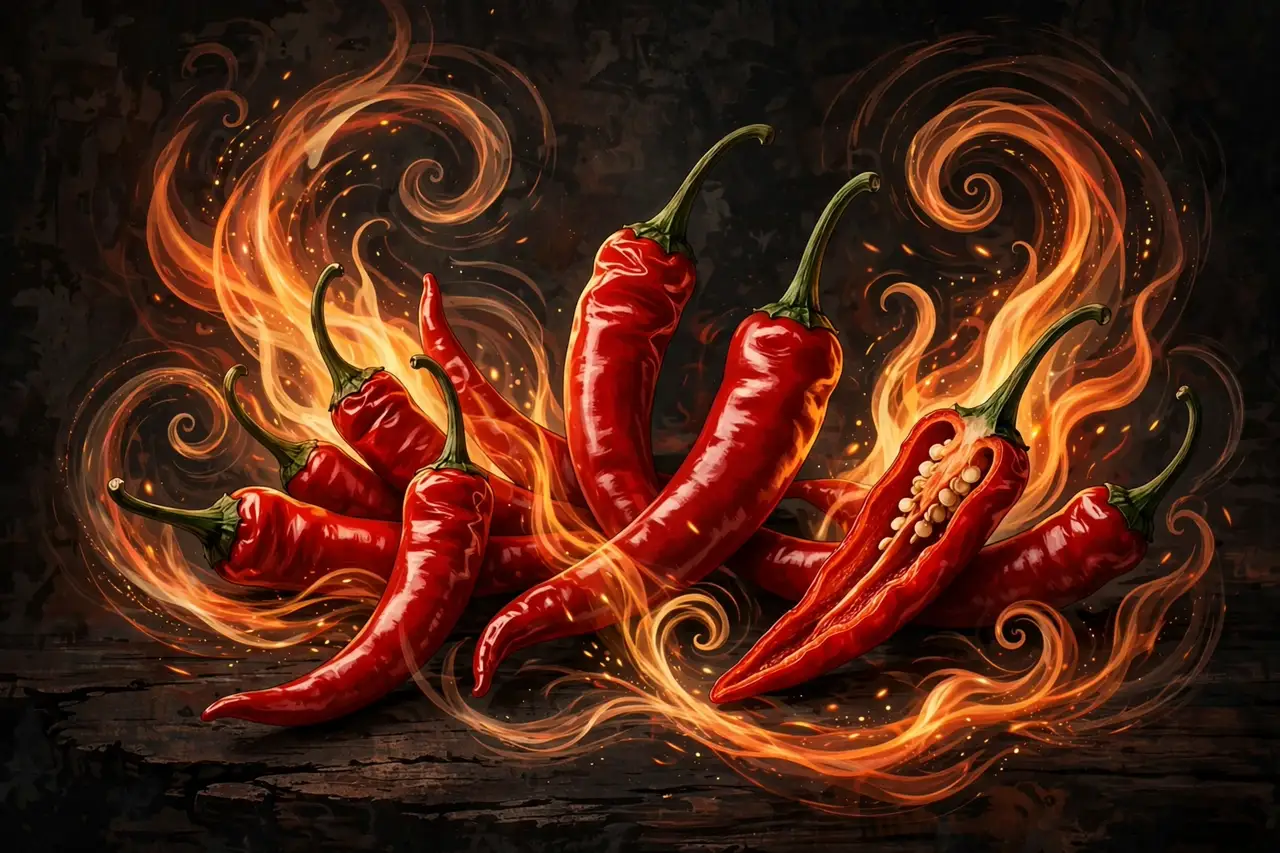
Hot vs. Warm vs. Spicy: Three Different Heats
| Word | Kind of heat | Scale | Example |
|---|---|---|---|
| Hot | Temperature | Can burn | “Hot coffee.” |
| Warm | Temperature | Comfortable | “Warm bread.” |
| Spicy | Flavor | Can burn the mouth | “Spicy wings.” |
| Scorching | Temperature | Extreme | “Scorching desert.” |
| Piquant | Flavor | Pleasant sharpness | “Piquant sauce.” |
Temperature heat and spice heat are different senses sharing one word, which is why “hot” confuses learners. Warm is always safe for temperature; spicy is always safe for food. For the figurative heat of intensity and drive, another word for strength covers power without the temperature.
Sources: Merriam-Webster, Dictionary.com
hot and Opposite/Paired Word Pairs
| Word | Paired Word | Note |
|---|---|---|
| hot | cold | The direct temperature opposite |
| hot | cool | Milder opposite; also calm vs. angry |
| spicy | mild | The food opposite |
| hot (popular) | forgotten | Trending vs. ignored |
| hot (fresh) | stale | New vs. old (news, bread, jokes) |
| hot (stolen) | legitimate | Illegal vs. legal goods |
Cold is the universal opposite; mild is the food-specific one; and “hot news” pairs naturally with “old news.”
Sources: Collins Dictionary, Dictionary.com
Common Word Partners of “”hot””
| Pattern | Common Partners | Example |
|---|---|---|
| hot + noun | day, water, coffee, topic, ticket | It was a hot day with no wind. |
| adjective + hot | boiling, scorching, piping | The soup arrived piping hot. |
| hot + and | hot and humid, hot and spicy | Hot and humid: the August forecast. |
| verb + hot | run hot, get hot | The engine runs hot in traffic. |
| hot + for | hot for (slang desire) | Investors are hot for the new stock. |
“Piping hot” is the classic intensifier for food; “hot and humid” owns the weather report.
Sources: Collins Dictionary, Merriam-Webster
Related Articles
Idiomatic Phrases Featuring “”hot””
1. hot under the collar
- Meaning: A genuine idiom meaning angry or embarrassed, flushed with feeling.
- Example: The criticism got him hot under the collar.
2. hot potato
- Meaning: A genuine idiom for a controversial issue nobody wants to handle.
- Example: The tax proposal was a political hot potato.
3. in hot water
- Meaning: A genuine idiom meaning in trouble.
- Example: He landed in hot water for missing the deadline.
4. hot air
- Meaning: A genuine idiom for empty, boastful talk.
- Example: The speech was mostly hot air.
Sources: Etymonline, Dictionary.com
Word Formation of “”hot””
Etymology & Structure
Hot comes from Old English hat, a Germanic word for heat shared with relatives across northern Europe. It is a single-morpheme word: no prefixes or suffixes to unpack, just one of the oldest temperature words in the language.
Date and History
The word is recorded in Old English with the temperature sense, and its slang extensions (attractive, popular, stolen) grew much later in modern English.
Word Class Variations
- Adjective: hot (“a hot day”)
- Comparative: hotter (“hotter than yesterday”)
- Superlative: hottest (“the hottest June on record”)
- Noun: heat (“the heat of the oven”)
- Verb: heat (“heat the soup”)
- Adverb: hotly (“a hotly debated topic”)
Sources: Etymonline, Merriam-Webster
Common Word-Choice Mistakes
- Calling warm food “hot”: if it won’t burn, warm is the honest word.
- Using “hot” for spicy in formal menus: spicy or piquant is clearer.
- Saying “a hot person” at work: use attractive or good-looking; “hot” is crude there.
- Confusing hot with heated: heated water was warmed; hot water simply is.
- Writing “hott” or “hottt”: the spelling is hot, hotter, hottest.
- Calling mild salsa “hot”: match the word to the actual burn.
Frequently Asked Questions
What is the closest synonym for hot?
Scorching for temperature, spicy for food, trending for popularity. The sense decides.
What is the difference between hot and warm?
Warm is comfortable; hot can burn. The line is pain.
What is the opposite of hot?
Cold for temperature, mild for spice, and old news for fresh stories.
Can hot mean stolen?
Yes, in slang: “hot goods” are stolen goods. Say “stolen” in formal writing.
What is a polite word for a “hot” person?
Attractive, good-looking, or gorgeous, depending on the setting.
Is “hot” about temperature or spice?
Both. Peppers trigger heat receptors, so English uses one word for the two feelings.
What does “hot off the press” mean?
Brand new, just published, from the days of literal printing presses.
What is hotter than scorching?
In casual speech, “boiling” or “blazing”; scientifically, the scale keeps going.
How does hot relate to another word for big?
Both are intensifiers: a “big deal” and a “hot topic” both mean “pay attention.”
Can hard work be hot?
Figuratively, yes: a hot streak or hot market means success running at full temperature, much like another word for work at its most intense.
Conclusion
For temperature, scorching, sweltering, and boiling climb the scale; for food, spicy and piquant name the burn; for people, attractive keeps it polite; for trends, trending and in demand say it plainly.
The five families of hot rarely mix, so the main skill is sorting: temperature, spice, attraction, popularity, or slang. Name the family first, then pick the word.
When in doubt, step down one level: warm instead of hot, mild instead of spicy, popular instead of trending. Understatement is safer than overstatement, and for phrasing any of it more smoothly, another word for better is always useful.

I am Sajjad Ali, an English language writer specializing in synonyms, word meanings, and practical English usage.
I use my expertise in English vocabulary and word choice to create simple, accurate, and helpful content for learners and readers.