At a Glance: snobby Synonyms and Related Alternatives
Here are the ten most useful choices, each with a short gloss: haughty (proudly superior), arrogant (overbearingly proud), proud (pleased with oneself), conceited (vainly proud), snooty (snobbish, informal), snobbish (like a snob), stuck-up (conceited, informal), hoity-toity (pretentiously grand), elitist (favoring an elite), exclusive (open to few).

Which Word Should You Use?
| If you want to… | Use | Why |
|---|---|---|
| describe proud contempt | haughty | it is the formal word |
| describe everyday snobbery | snooty | it is the casual twin of snobby |
| describe class-based snobbery | elitist | it stresses social rank |
| describe open contempt | disdainful | it stresses looking down |
| describe showy pride | pretentious | it stresses false grandeur |
| describe cold distance | aloof | it stresses keeping apart |
| describe talking down | condescending | it stresses the tone of voice |
| describe a stiff, grand manner | pompous | it stresses inflated dignity |
Some near words add color the table leaves out. Smug describes the satisfied smile of a snob. Vain is the root of the whole attitude, caring too much about looks and status. Lofty fits grand, distant manners, while uppity is the informal scold for someone acting above their station. Ritzy, posh, and swanky all point at expensive taste, and highbrow adds the claim of superior culture, as in a highbrow club that sneers at popular music.
Exploring the Multiple Meanings of “snobby”
1. Thinking Oneself Superior
- Meaning: believing oneself better than others.
- Explanation: This is the core sense: a snobby person looks down on people they see as below them.
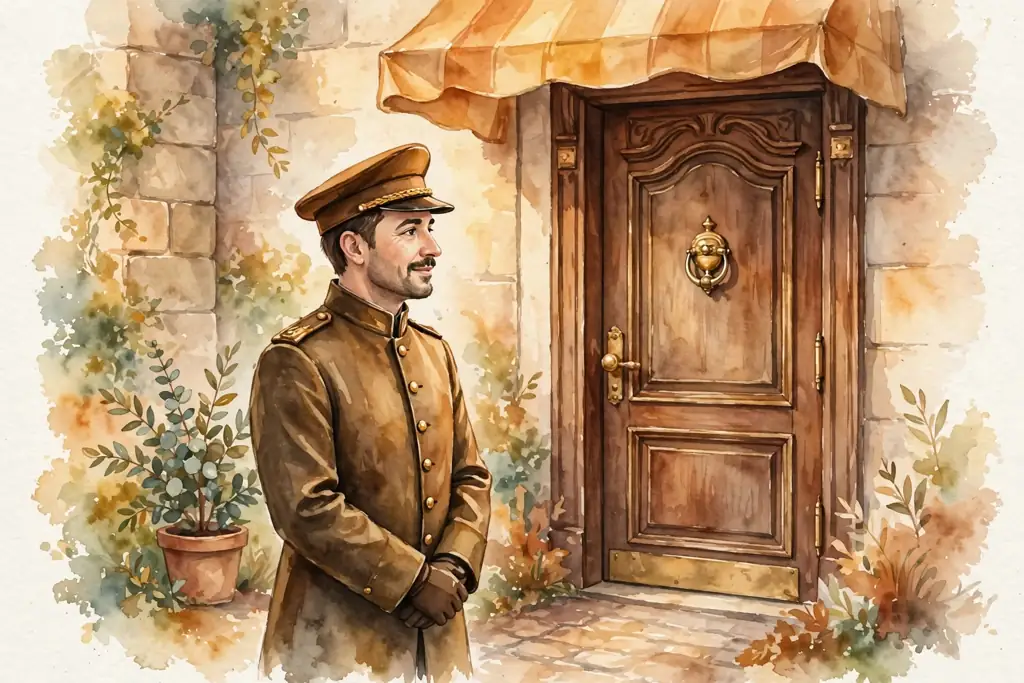
- Example: The snobby waiter ignored our table.
2. Exclusive and Clannish
- Meaning: open only to a chosen few.
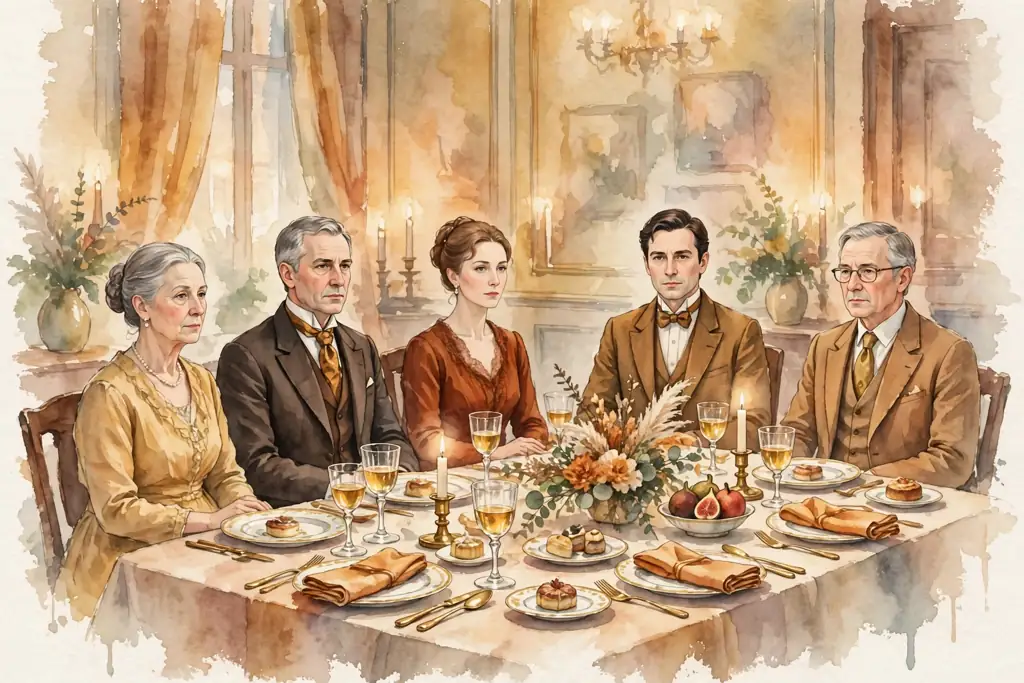
- Explanation: Snobby can describe places and groups that shut others out, like a snobby club.
- Example: The snobby school admitted few newcomers.
3. Showy About Status
- Meaning: showing off wealth or taste to impress.
- Explanation: In this sense, snobby means using status as a display: snobby cars, snobby labels.
- Example: His snobby watch collection bored his friends.
4. Informal and Critical
- Meaning: a blunt, informal judgment word.
- Explanation: Snobby is informal and always critical, unlike neutral words like selective or exclusive.
- Example: Call it selective if you mean it kindly, snobby if you do not.
Sources: Merriam-Webster, Dictionary.com
Analyzing 28 snobby Alternatives in Detail
Read the groups in order, or skip to the one that matches what you want to say: the words move from closest matches to looser cousins.
Haughty
1. haughty
– IPA: /ˈhɔːti/ (US and UK)
– Definition: proud and looking down on others.
– Usage: A close synonym, formal.
– Example: Her haughty stare silenced the room.
2. arrogant
– IPA: /ˈerəɡənt/ (US and UK)
– Definition: having too much pride, looking down on others.
– Usage: A close synonym, broad and common.
– Example: The arrogant star ignored his fans.
3. proud
– IPA: /praʊd/ (US and UK)
– Definition: feeling pleased about oneself, sometimes too much.
– Usage: A related alternative, not always negative.
– Example: He was too proud to apologize.
4. conceited
– IPA: /kənˈsiːtɪd/ (US and UK)
– Definition: too proud of oneself.
– Usage: A related alternative, focused on vanity.
– Example: The conceited actor praised himself.
Snooty and Stuck-Up
5. snooty
– IPA: /ˈsnuːti/ (US and UK)
– Definition: snobbish in an informal word.
– Usage: A close synonym, casual like snobby.
– Example: The snooty shopkeeper sniffed at us.
6. snobbish
– IPA: /ˈsnɑːbɪʃ/ (US), /ˈsnɒbɪʃ/ (UK)
– Definition: behaving like a snob.
– Usage: A close synonym, the adjective form.
– Example: His snobbish friends mocked the town.
7. stuck-up
– IPA: /ˌstʌk ˈʌp/ (US and UK)
– Definition: conceited and aloof, in informal speech.
– Usage: A related alternative, blunt and informal.
– Example: The stuck-up girl ignored everyone.
8. hoity-toity
– IPA: /ˌhɔɪti ˈtɔɪti/ (US and UK)
– Definition: pretentiously self-important, humorous.
– Usage: A related alternative, playful and old fashioned.
– Example: The hoity-toity hotel turned us away.
Elitist and Exclusive
9. elitist
– IPA: /ɪˈliːtɪst/ (US and UK)
– Definition: favoring a small, privileged group.
– Usage: A close synonym for rank-based snobbery.
– Example: The elitist club admitted few members.
10. exclusive
– IPA: /ɪkˈskluːsɪv/ (US and UK)
– Definition: open only to a limited group.
– Usage: A related alternative, neutral on its own.
– Example: The exclusive resort barred day guests.
11. cliquish
– IPA: /ˈkliːkɪʃ/ (US and UK)
– Definition: tending to form small, exclusive groups.
– Usage: A related alternative, focused on groups.
– Example: The cliquish class ignored newcomers.
12. pretentious
– IPA: /prɪˈtenʃəs/ (US and UK)
– Definition: trying to appear grander than one is.
– Usage: A close synonym, focused on display.
– Example: The pretentious restaurant served tiny portions.
Disdainful
13. disdainful
– IPA: /dɪsˈdeɪnfəl/ (US and UK)
– Definition: showing contempt for something.
– Usage: A close synonym, formal.
– Example: Her disdainful look ended the talk.
14. contemptuous
– IPA: /kənˈtemptʃuəs/ (US and UK)
– Definition: showing that you despise something.
– Usage: A forceful, formal related alternative.
– Example: His contemptuous tone angered the crowd.
15. scornful
– IPA: /ˈskɔːrnfəl/ (US), /ˈskɔːnfəl/ (UK)
– Definition: showing scorn or contempt.
– Usage: A related alternative, plain and strong.
– Example: She gave a scornful laugh.
16. supercilious
– IPA: /ˌsuːpərˈsɪliəs/ (US and UK)
– Definition: behaving as if superior to others.
– Usage: A related alternative, very formal.
– Example: His supercilious manner annoyed guests.
Pompous and Showy
17. pompous
– IPA: /ˈpɑːmpəs/ (US), /ˈpɒmpəs/ (UK)
– Definition: self-important in an exaggerated way.
– Usage: A related alternative, focused on dignity.
– Example: The pompous mayor loved long speeches.
18. grandiose
– IPA: /ˈɡrændioʊs/ (US), /ˈɡrændiəʊs/ (UK)
– Definition: impressive but empty or overdone.
– Usage: A related alternative, focused on scale.
– Example: His grandiose plans came to nothing.
19. ostentatious
– IPA: /ˌɑːstənˈteɪʃəs/ (US), /ˌɒstənˈteɪʃəs/ (UK)
– Definition: designed to impress, showy.
– Usage: A related alternative, focused on display.
– Example: Her ostentatious jewels glittered.
20. highfalutin
– IPA: /ˌhaɪfəˈluːtən/ (US and UK)
– Definition: pompous or pretentious, in informal speech.
– Usage: A related alternative, humorous.
– Example: His highfalutin speech bored us.
Class-Conscious
21. class-conscious
– IPA: /ˌklæs ˈkɑːnʃəs/ (US), /ˌklɑːs ˈkɒnʃəs/ (UK)
– Definition: very aware of social class.
– Usage: A related alternative, focused on rank.
– Example: The class-conscious town prized old names.
22. status-conscious
– IPA: /ˈsteɪtəs ˌkɑːnʃəs/ (US), /ˈsteɪtəs ˌkɒnʃəs/ (UK)
– Definition: very concerned with social status.
– Usage: A related alternative, modern.
– Example: Her status-conscious friends chased labels.
23. condescending
– IPA: /ˌkɑːndɪˈsendɪŋ/ (US), /ˌkɒndɪˈsendɪŋ/ (UK)
– Definition: treating others as inferior.
– Usage: A related alternative, focused on tone.
– Example: His condescending advice annoyed her.
24. patronizing
– IPA: /ˈpeɪtrənaɪzɪŋ/ (US), /ˈpætrənaɪzɪŋ/ (UK)
– Definition: kind in a way that treats others as inferior.
– Usage: A related alternative, close to condescending.
– Example: Her patronizing smile stung.
Cold and Aloof
25. aloof
– IPA: /əˈluːf/ (US and UK)
– Definition: not friendly, distant.
– Usage: A related alternative, focused on distance.
– Example: The aloof star avoided the crowd.
26. distant
– IPA: /ˈdɪstənt/ (US and UK)
– Definition: not warm or friendly.
– Usage: A related choice, simple in form.
– Example: Her distant manner cooled the room.
27. standoffish
– IPA: /ˌstændˈɔːfɪʃ/ (US), /ˌstændˈɒfɪʃ/ (UK)
– Definition: unfriendly, keeping people at a distance.
– Usage: A related option that sounds casual.
– Example: The standoffish host barely greeted us.
28. chilly
– IPA: /ˈtʃɪli/ (US and UK)
– Definition: unfriendly and cold.
– Usage: A related alternative, figurative.
– Example: A chilly reception awaited us.
Sources: Merriam-Webster, Dictionary.com
snobby vs. haughty vs. elitist
Snobby is the informal, critical word for looking down on others, and it fits everyday speech. Haughty is its formal cousin, stressing proud contempt in bearing and look. Elitist narrows the judgment to rank: it claims the person favors a privileged few, which haughty does not need to claim.
| Word | What it stresses | Best use |
|---|---|---|
| snobby | looking down, informal | everyday criticism |
| haughty | proud contempt | formal writing, bearing |
| elitist | favoring a privileged few | clubs, schools, and taste |
Sources: Merriam-Webster, Dictionary.com
Beyond the three words compared above, snobbery has a long tail of near synonyms. Snotty is the blunt, informal twin of snobby, while persnickety adds fussiness about small details. Toffee-nosed is British slang for the same proud air, and high-and-mighty suits someone who acts untouchable. Imperious and overbearing describe the commanding tone, clubby describes a group that shuts outsiders out, and vainglorious names pride with no real basis. Self-righteous, narcissistic, and egocentric point at the inner attitude, and snobbism is the noun for the whole habit.
snobby and Opposite/Paired Word Pairs
| Word | Paired Word | Note |
|---|---|---|
| snobby | down-to-earth | down-to-earth people shun display |
| haughty | humble | humble people do not claim superiority |
| arrogant | modest | modest people understate themselves |
| elitist | egalitarian | egalitarian people favor equality |
| aloof | approachable | approachable people welcome others |
| pretentious | unpretentious | unpretentious people hide nothing |
Opposites are a good test for snobbery language. If down-to-earth fits as the reverse of your sentence, you are describing someone who looks down on others, and snobby or haughty will carry that judgment.
Sources: Merriam-Webster, Dictionary.com
A few near words are milder than snobby and should not be confused with it. Cheeky and sassy describe playful boldness, not contempt, while cocky and brash describe overconfidence without the class judgment. Snippy and impertinent describe rude speech in the moment, and huffy describes a short sulk, so none of them carries the full weight of snobby.
Related Articles
- another word for nonjudgmental
- another word for arrogant
- another word for annoyance
- another word for believing
Common Word Partners of “snobby”
| Pattern | Common Partners | Example |
|---|---|---|
| snobby attitude | attitude, manner, air | Her snobby attitude put guests off. |
| snobby restaurant | restaurant, club, school | The snobby restaurant required jackets. |
| snobby about | about, toward, over | He was snobby about wine. |
| a bit snobby | a bit, rather, quite | The hotel felt a bit snobby. |
| snobby crowd | crowd, set, circle | The snobby crowd ignored us. |
Sources: Merriam-Webster, Dictionary.com
Idiomatic Phrases Featuring “snobby”
1. look down one’s nose at
- Meaning: to regard with contempt..
- Example: She looked down her nose at the small town.
2. too good for
- Meaning: believing oneself above something..
- Example: He acted too good for the old pub.
3. high and mighty
- Meaning: proudly superior..
- Example: Do not get high and mighty with us.
4. on one’s high horse
- Meaning: behaving arrogantly..
- Example: Get off your high horse and listen.
Sources: Merriam-Webster, Dictionary.com
Word Formation of “snobby”
Etymology & Structure
Snobby comes from snob, a word whose origin is uncertain, once used for a shoemaker’s apprentice and later for a person who apes the upper class. The y ending turns the noun into an adjective for snob-like behavior.
Date and History
Snob has been in English since the 1700s, first for a tradesman and later for a social climber. Snobby as an adjective followed, and by the twentieth century it was the standard informal word for looking down on others.
Word Class Variations
- snob (noun): a person who looks down on others.
- snobbish (adjective): like a snob.
- snobbery (noun): snobbish behavior.
- snobbishly (adverb): in a snobbish way.
Sources: Merriam-Webster, Dictionary.com
Common Word-Choice Mistakes
- Wrong pairing: snobby for merely selective, correction: selective for careful choice, snobby for looking down.
- Wrong pairing: exclusive for a snobby attitude, correction: snobby attitude, since exclusive alone is neutral.
- Wrong pairing: proud for haughty contempt, correction: haughty for contempt, proud for simple self-respect.
- Wrong pairing: aloof for active contempt, correction: disdainful for active contempt, aloof for distance.
- Wrong pairing: pretentious for a grand building, correction: grand building, since pretentious claims false grandeur.
- Wrong pairing: elitist for any small group, correction: small group for size, elitist for rank privilege.
- Wrong pairing: patronizing for open rudeness, correction: rude for open rudeness, patronizing for superior kindness.
Frequently Asked Questions
Is snobby a rude word?
It is critical but not vulgar. It judges someone’s attitude, so use it for behavior you can point to, not for a person you barely know.
What is a polite word for snobby?
Selective or exclusive can be neutral, and haughty is the formal equivalent when you need a less slangy word.
Where does snobby come from?
It comes from snob, of uncertain origin, once a tradesman’s word, later a social climber’s label.
What is the opposite of snobby?
One clear opposite is down-to-earth, which reverses the feeling or quality that snobby describes.
How do you use snobby in a sentence?
Try a simple pattern: a person or thing, then the word, then the reason. For example, you could say that a moment or remark felt snobby because of how it landed.
Can I use snobby in a story or an essay?
Yes. Use snobby in stories for quick mood, and in essays follow it with a reason or example to make it land.
Does snobby work in formal writing?
Yes, as long as the context fits. In very formal text, arrogant or snooty may read more smoothly than snobby itself.
What is another word for snobby?
Haughty, arrogant, and proud are the most common choices, and each one shades the meaning a little differently.
Is snobby a formal word?
It works in both everyday and formal writing, but arrogant often sounds more formal, while haughty fits casual speech better.
What is the difference between snobby and haughty?
Snobby is the broader word, while haughty points to one sharper part of its meaning, so pick haughty when that sharper sense is what you mean.

Conclusion
Snobby is a blunt little word for a big attitude: looking down on others, shutting them out, or showing off rank. Its alternatives let you aim that judgment precisely, from haughty for proud bearing to elitist for rank privilege.
The care to take is with fairness. Snobby claims a motive, not just a fact, so use it when the behavior shows contempt or display, and use selective or exclusive when you only mean a small, chosen group.
With 28 alternatives in hand, you can now describe social pride with the right weight, from a snooty waiter to a pompous speech, and keep snobby for the everyday criticism where it belongs.

Hi, I’m Zara. A vocabulary writer, who helps readers choose the right word with confidence. Through Sitepointstory, I create clear, accurate language guides covering synonyms, antonyms, meanings, and vocabulary.